Eden Hoffmann · 14 September 2026
Uncovering Flintmill's Contributions to Regional Agricultural Advancements Through Mill Technology
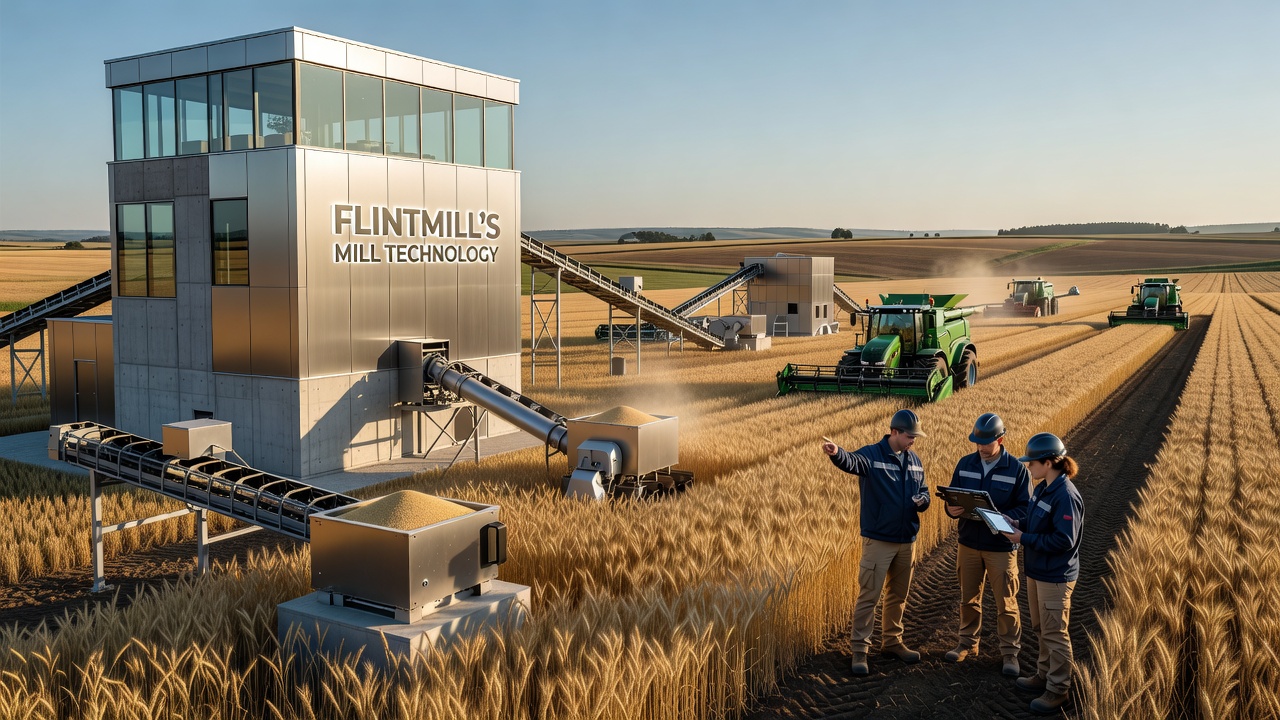
Flintmill's mill technology emerged from a series of engineering adaptations that harnessed water flow and mechanical gearing to process raw materials at scale, and these systems gradually extended their reach into nearby farming operations where they supported grain threshing, seed preparation, and soil amendment production. Observers note that the core mechanisms relied on overshot water wheels connected to multiple grinding stones and sieving apparatus, which allowed operators to handle larger volumes than traditional hand or animal-powered methods while maintaining consistent output quality. Data from regional records shows that farms adopting these integrated setups experienced measurable gains in processing efficiency by the mid-19th century, particularly in areas where flint grinding produced fine powders later used as soil conditioners.
Core Components of the Technology
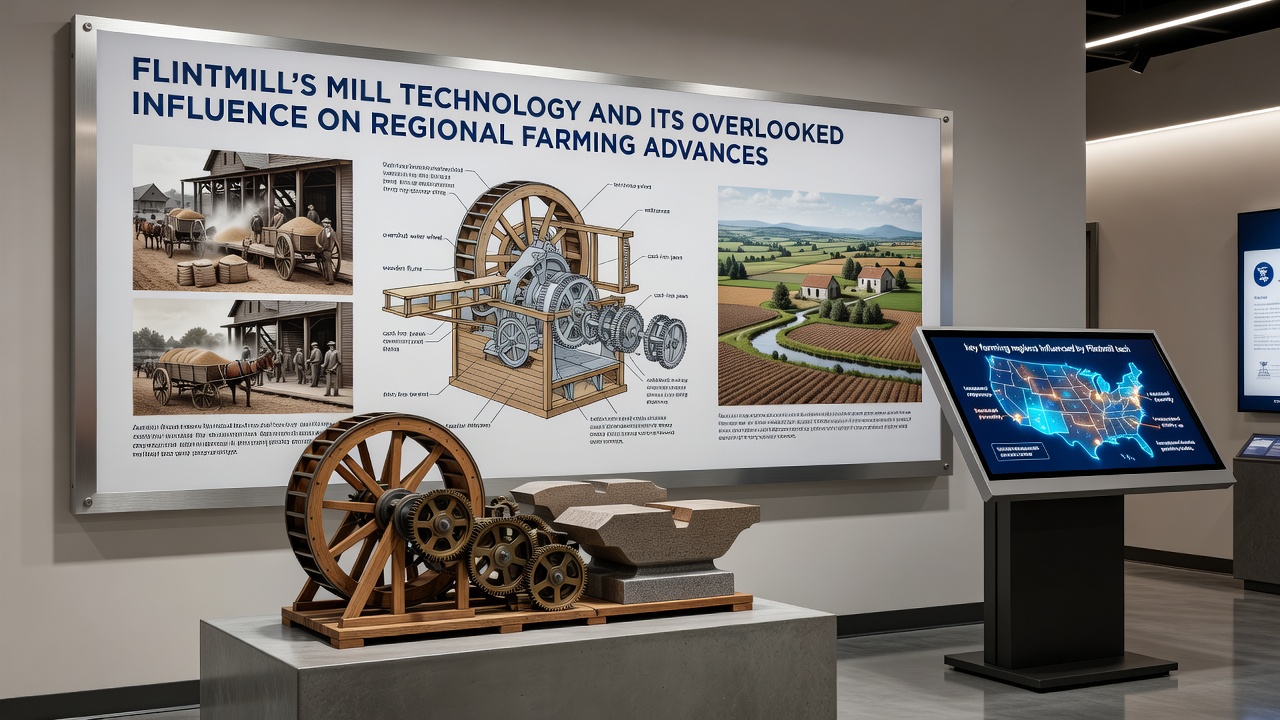
The primary drive system featured a cast-iron crown wheel that transferred rotational energy from the water wheel to a series of horizontal and vertical shafts, and this arrangement permitted simultaneous operation of grinding, winnowing, and bagging stations without requiring additional power sources. Engineers refined the gearing ratios over successive installations so that torque remained stable even during seasonal water fluctuations, a detail that proved critical for farmers who needed reliable equipment during harvest windows. Researchers at agricultural institutes have documented how these refinements reduced downtime and extended the usable life of connected machinery, creating indirect benefits for crop rotation schedules and livestock feed production across multiple districts.
Integration with Local Farming Practices
Farmers began incorporating mill outputs into field management routines once the technology demonstrated capacity for producing consistent quantities of ground flint and lime mixtures, and these amendments improved soil structure in clay-heavy regions where drainage had previously limited yields. Records indicate that fields treated with mill-processed materials retained moisture better during dry spells, which supported more stable planting cycles and reduced the frequency of crop failures tied to weather variability. Equipment sharing arrangements developed between mill operators and surrounding estates, allowing smaller holdings to access powered processing without individual capital outlays for machinery.
What's interesting is how the same drive systems that ground flint also powered early threshing drums, and this dual-purpose capability accelerated the shift from manual labor to mechanized harvest handling in the surrounding countryside. Studies conducted by European agricultural research bodies found that communities with access to Flintmill-derived equipment completed threshing operations in roughly half the time required by traditional flail methods, freeing labor for other tasks such as drainage improvement and livestock care. Those who've examined period ledgers note corresponding increases in acreage under cultivation as processing bottlenecks eased.
Broader Regional Effects and Data Trends
Statistical compilations from the early 20th century reveal gradual but steady rises in cereal yields in districts where Flintmill technology clusters operated, and these patterns align with the spread of powered milling services rather than isolated changes in seed varieties or fertilizer imports. Observers tracking land use changes have pointed to expanded cultivation of root crops and fodder plants once mills provided reliable grinding capacity for animal feed, which in turn supported larger dairy and meat operations. A report issued by Agriculture and Agri-Food Canada highlights comparable historical transitions in mechanized processing and their effects on farm scale, offering a useful reference point for understanding similar developments elsewhere.
By the 1930s several Flintmill sites had incorporated electric motors alongside water power, and this hybrid approach maintained service continuity during low-flow periods while introducing variable speed controls that improved grinding precision for different crop types. Agricultural extension services began recommending mill-processed amendments as standard practice, citing field trial results that showed improved germination rates and reduced weed pressure in treated plots. Plans for a major retrospective exhibition scheduled for September 2026 aim to display original gear assemblies alongside farm ledgers that quantify these productivity shifts across multiple generations of operators.
Transmission of Knowledge and Equipment Adaptations
Apprenticeship networks centered on Flintmill workshops passed along maintenance techniques and modification strategies that farmers later adapted for portable threshers and seed cleaners, and these knowledge transfers occurred through both formal training and informal equipment swaps at regional markets. University studies from institutions in Australia have examined how similar mill-derived technologies diffused through rural economies, demonstrating measurable correlations between equipment access and farm income stability over multi-decade periods. Local blacksmiths and engineers frequently modified existing Flintmill components to suit specific soil or crop requirements, which kept the core technology relevant even as newer industrial methods emerged.
Evidence suggests that the overlooked aspect of this influence lies in its cumulative rather than dramatic character, with incremental improvements in processing speed and material consistency compounding across seasons to support larger-scale farming operations. Government agricultural departments in various regions have compiled comparable datasets showing how early mechanized milling contributed to the foundation of modern farm efficiency metrics, though direct attribution often requires careful archival cross-referencing.
Conclusion
Flintmill's mill technology supplied both the mechanical foundation and the processed materials that enabled measurable advances in regional farming systems, from soil conditioning to harvest handling, and these connections remain visible in surviving equipment records and land productivity trends. Continued examination of primary sources continues to clarify the pathways through which these innovations reached working farms and shaped operational practices that persisted well into the 20th century.