Riley Perry · 12 October 2026
Tracing How Flintmill Millers Built Enduring Regional Commerce Links
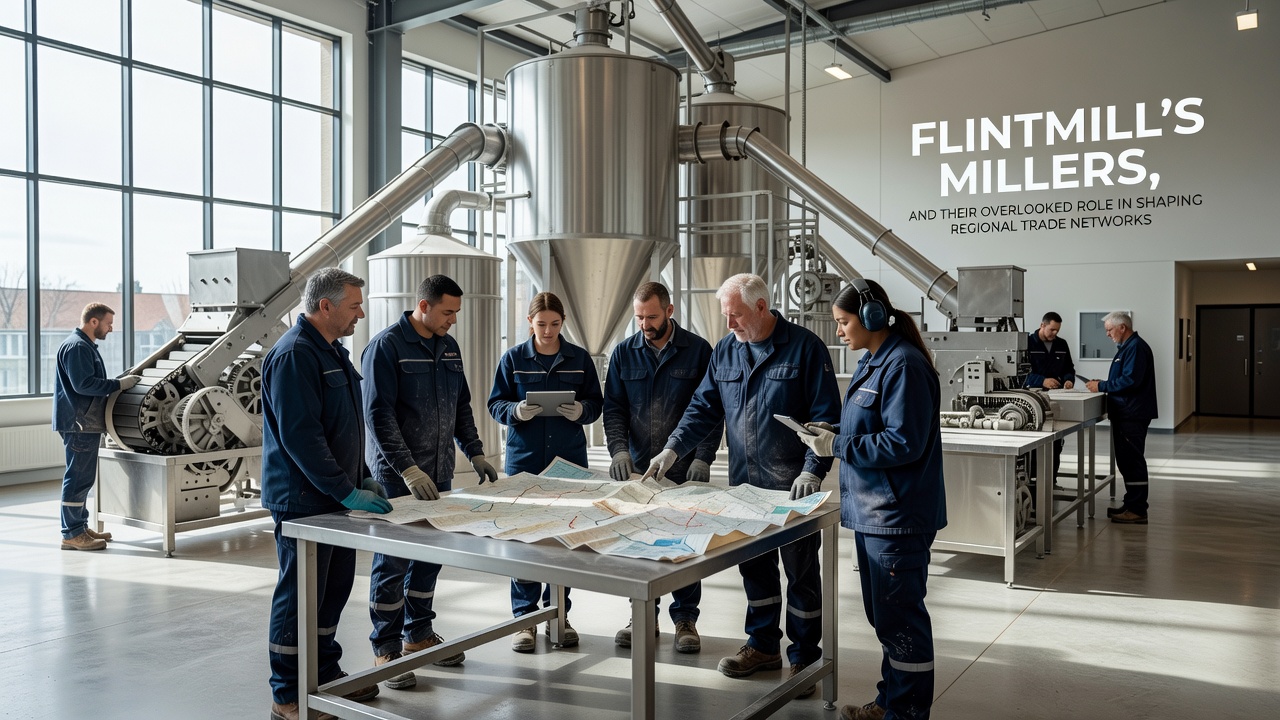
Flintmill millers operated at the center of grain processing systems that extended well beyond local villages and into wider exchange patterns across multiple counties, and their daily routines connected agricultural producers with merchants who moved goods along established pathways toward coastal ports and urban centers. These operations relied on water-powered machinery that handled large volumes of wheat and barley each season, which in turn supported consistent supply lines documented in estate records from the seventeenth century onward.
Trade networks in the region developed around the predictable output from these mills, since millers coordinated with carters and boat operators to transport flour and byproducts to markets where prices fluctuated according to seasonal harvests and demand from distant buyers. Archival ledgers show that Flintmill facilities handled not only local crops but also surplus from neighboring farms, creating collection points that reduced transport costs for smaller producers who lacked direct access to larger trading hubs.
Early Infrastructure and Merchant Interactions
Millers maintained detailed accounts of incoming grain and outgoing products, which allowed them to act as intermediaries when merchants arrived to purchase bulk quantities for shipment. This role placed them in regular contact with traders traveling routes that linked inland areas to river systems and eventually to cross-channel exchanges. Evidence from period maps indicates that paths converging on Flintmill grew wider and more maintained over decades, reflecting increased traffic tied directly to milling capacity.
By the eighteenth century, several mill families had established relationships with shipping agents who handled exports of milled goods, and these connections introduced new varieties of grain from overseas that millers then tested in local conditions. Such experimentation contributed to gradual improvements in flour quality that met standards required by bakers in expanding towns.
Expansion of Networks Through the Nineteenth Century
Industrial changes brought steam-assisted equipment to some Flintmill sites, yet traditional water mills continued operating alongside newer methods and sustained trade volumes even as railway lines began competing with older transport methods. Millers adapted by diversifying into animal feed production using mill byproducts, which opened additional markets among livestock farmers who supplied urban meat demands.
Records compiled by regional chambers of commerce list Flintmill as a key node in annual grain fairs, where millers negotiated contracts that set prices influencing trade across several counties. These agreements often involved credit arrangements that extended payment terms, allowing smaller traders to participate without immediate capital outlays.
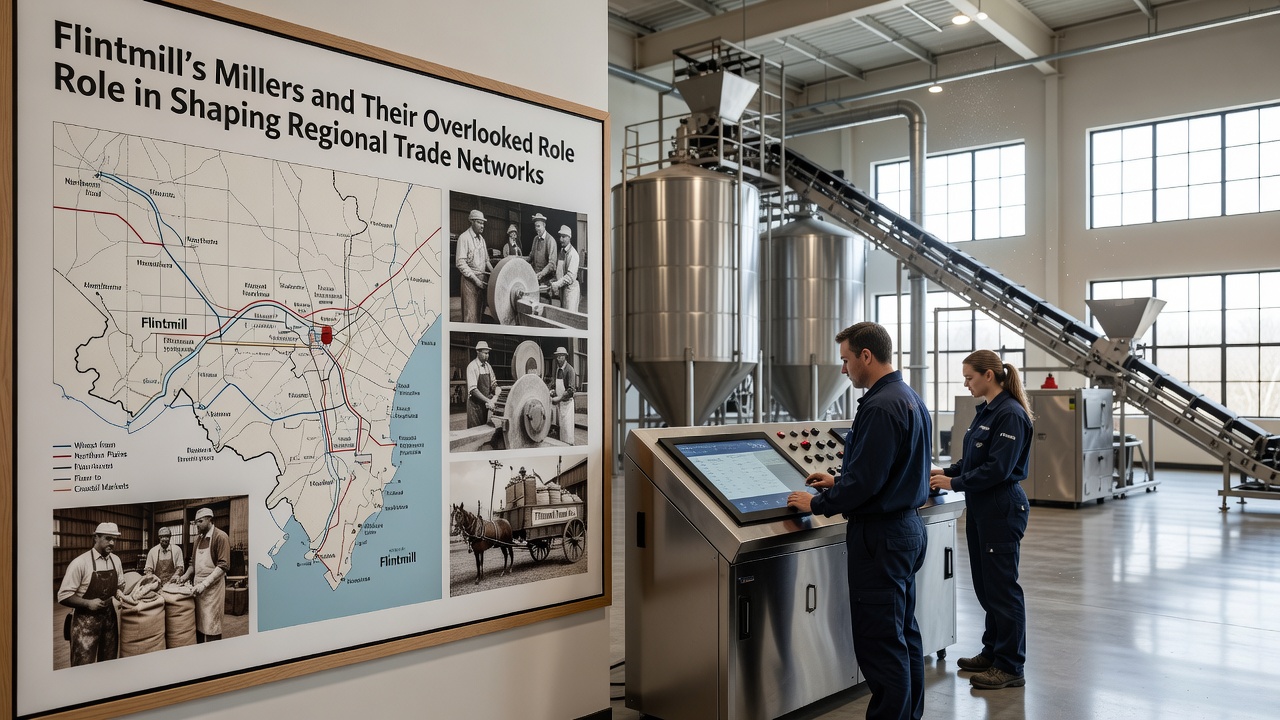
Researchers examining customs data from the period note that flour originating from Flintmill mills appeared in manifests bound for ports serving both domestic and limited international markets, and this visibility helped attract investment in road improvements that further strengthened the surrounding network. One study revealed that miller-led cooperatives pooled resources to purchase better milling stones, which increased output and supported higher volumes moving through established channels.
Documentation and Ongoing Research Efforts
Surviving business correspondence between Flintmill millers and their trading partners provides detailed insights into pricing structures, seasonal adjustments, and risk management practices that kept goods flowing despite weather disruptions or political shifts. Historians cross-reference these letters with toll records from turnpike trusts to map the exact volume of traffic passing through milling districts each year.
In October 2026, a collaborative project between local heritage groups and academic institutions will digitize additional ledgers that cover the period from 1820 to 1880, making previously inaccessible transaction details available for broader analysis of how miller decisions shaped route priorities. This effort builds on earlier cataloging work that already identified over two dozen regular trading partners operating from Flintmill locations.
Library and Archives Canada maintains comparable records of milling communities in similar riverine settings, offering comparative perspectives on how such operations influenced cross-border grain movements during the same era, while Europeana collections include digitized trade manifests that place Flintmill activity within larger European patterns of agricultural exchange.
Conclusion
The cumulative effect of these milling activities appears in the continued use of certain historic routes for modern logistics, where original paths laid out to serve Flintmill traffic now carry contemporary freight. Ongoing preservation of related structures and documents ensures that the mechanics of these networks remain traceable through primary sources rather than secondary interpretation alone.