Eden Richter · 2 September 2026
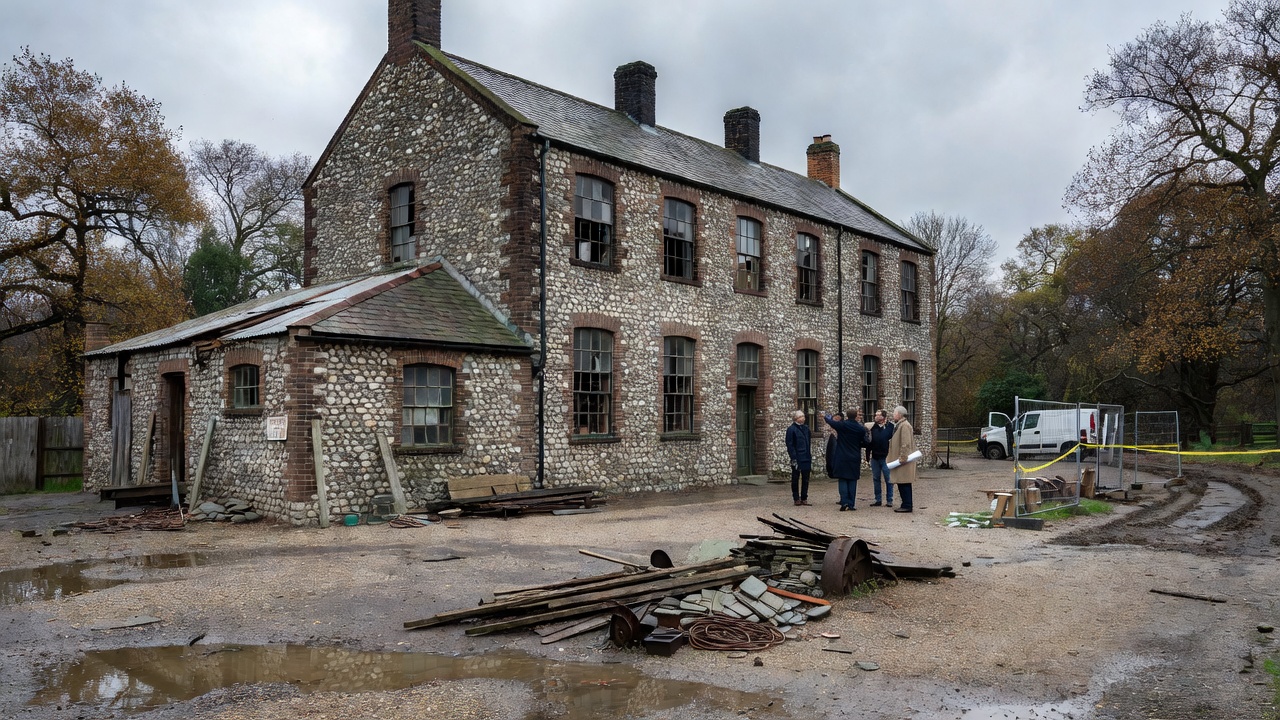
The Flintmill Heritage Trust has announced that significant funding has been secured for the restoration of several historic buildings in the Flintmill area. This development marks a major step forward in preserving the region's industrial heritage. The announcement comes after months of applications and consultations with heritage experts. Local residents have welcomed the news as it promises to safeguard important landmarks from further decay. The project will involve specialists in historical architecture to ensure accurate restorations. Additional surveys have confirmed the urgency of repairs to prevent further deterioration of key structures.
Funding Sources and Allocation
A total of £750,000 has been awarded through a combination of grants from the National Lottery Heritage Fund and local council contributions. The funds will be used to repair roofs, restore original machinery where possible, and improve accessibility for visitors. Project leaders emphasize that the work will adhere to strict conservation guidelines to maintain the authenticity of the structures. Work is scheduled to begin in the spring and is expected to take approximately eighteen months to complete. The primary funding comes from the National Lottery Heritage Fund, providing £500,000, supplemented by £250,000 from regional development grants. These resources will address critical structural issues such as crumbling walls and leaking roofs. In addition, plans include the installation of modern safety features without compromising the aesthetic value. Timelines indicate that initial surveys will start next month, followed by phased construction. Experts note that such investments are essential to prevent irreversible damage to these irreplaceable sites. Ongoing monitoring will ensure compliance with all heritage standards throughout the process.
Historical Significance and Future Plans
Flintmill buildings date back to the nineteenth century and played a crucial role in the local milling industry. Preservation efforts aim to transform the site into an educational center while protecting its historical features. Community members have expressed strong support for the initiative, highlighting the potential for increased tourism and local employment opportunities. Additional fundraising efforts are underway to cover any unforeseen costs and to develop interpretive displays about the area's past. The restoration is seen as vital for maintaining the cultural identity of Flintmill for future generations. Further details on public engagement events will be released in the coming weeks as the project moves into its preparatory phase. Volunteers and local historians are being recruited to assist with documentation and educational programming once the main works conclude.