Eden Hoffmann · 2 September 2026
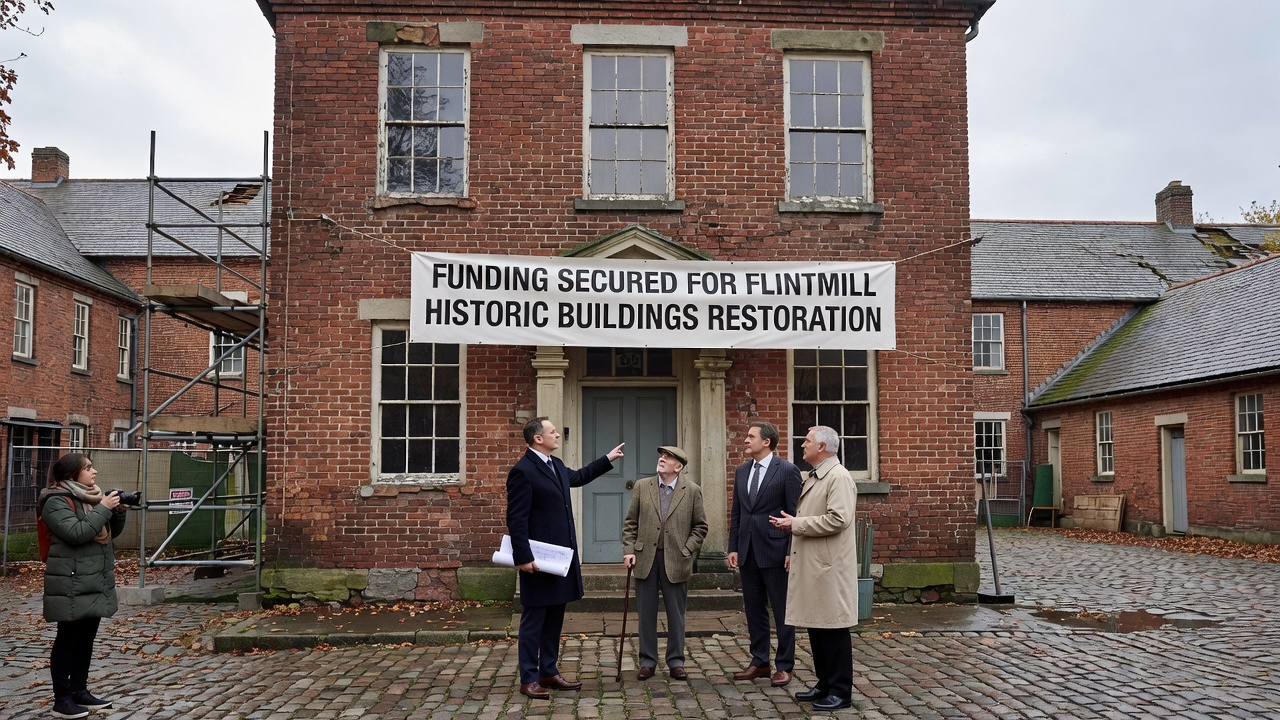
The Flintmill Heritage and Community group has announced that significant funding has been secured for the restoration of several historic buildings at the Flintmill site. This development marks a major step forward in preserving the area's rich industrial heritage for residents and visitors alike.
Funding Details and Partners Involved
A total of one point two million pounds has been awarded through a combination of grants from the Heritage Lottery Fund and contributions from the local council. The funding will support essential repairs to the nineteenth century mill structures, including roof replacements, structural reinforcements and the restoration of original features. Project leaders have emphasized the importance of this investment in maintaining the site's historical integrity for future generations. Community consultations have been ongoing to ensure that the restoration aligns with local needs and expectations. Volunteers and experts have contributed to the planning process over the past eighteen months.
Restoration Plans and Expected Timeline
The restoration project is scheduled to begin in early spring next year and is expected to take approximately eighteen months to complete. Key works include the refurbishment of the old water wheel mechanism and the conversion of one building into a community education center focused on industrial history. These enhancements aim to boost tourism in the area and provide valuable educational opportunities about Flintmill's industrial past. Local historians have praised the initiative, noting that the buildings represent an important part of the region's history dating back to the industrial revolution. The project will also incorporate sustainable practices, such as the use of eco-friendly materials, to minimize environmental impact during construction. Residents are encouraged to participate in upcoming open days where they can learn more about the plans and offer their input on various aspects. This collaborative approach ensures that the restored site will serve both heritage preservation and community engagement purposes effectively over the coming years. Additional phases may address landscaping and artifact preservation to further enhance the site.