Casey Beck · 26 October 2026
Flintmill Residents Build Living Archive Through Shared Mill Life Narratives
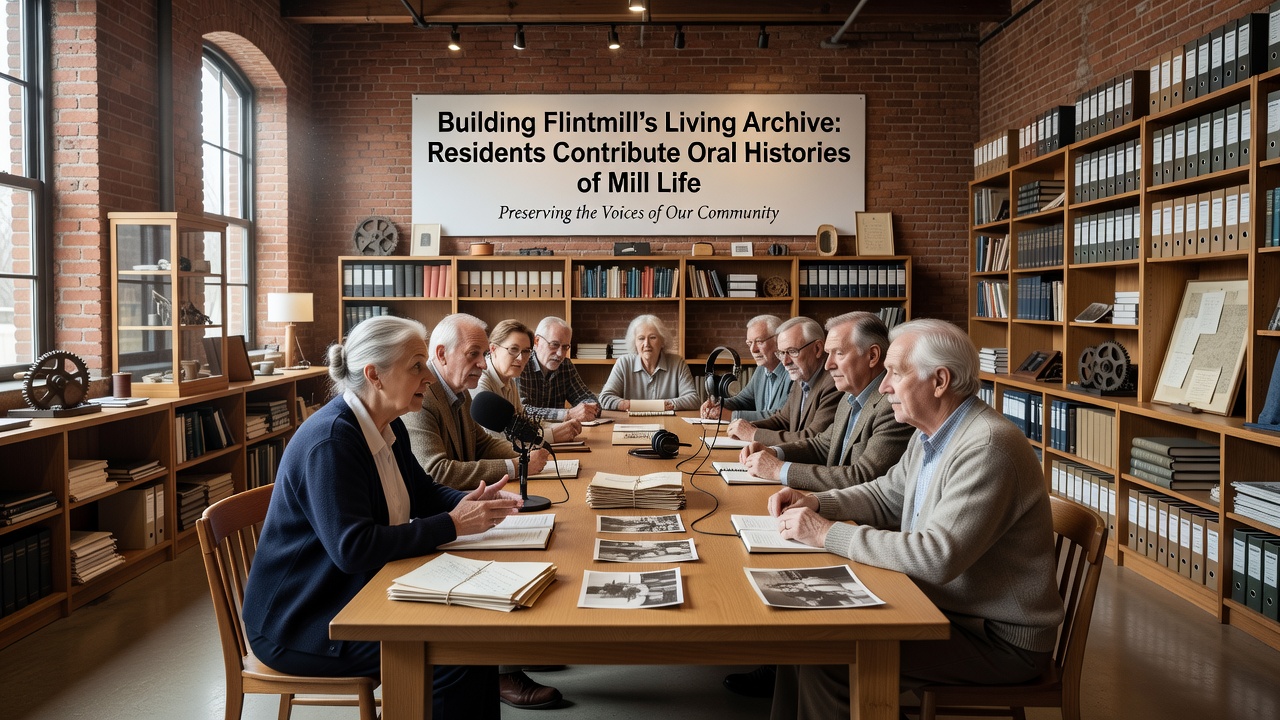
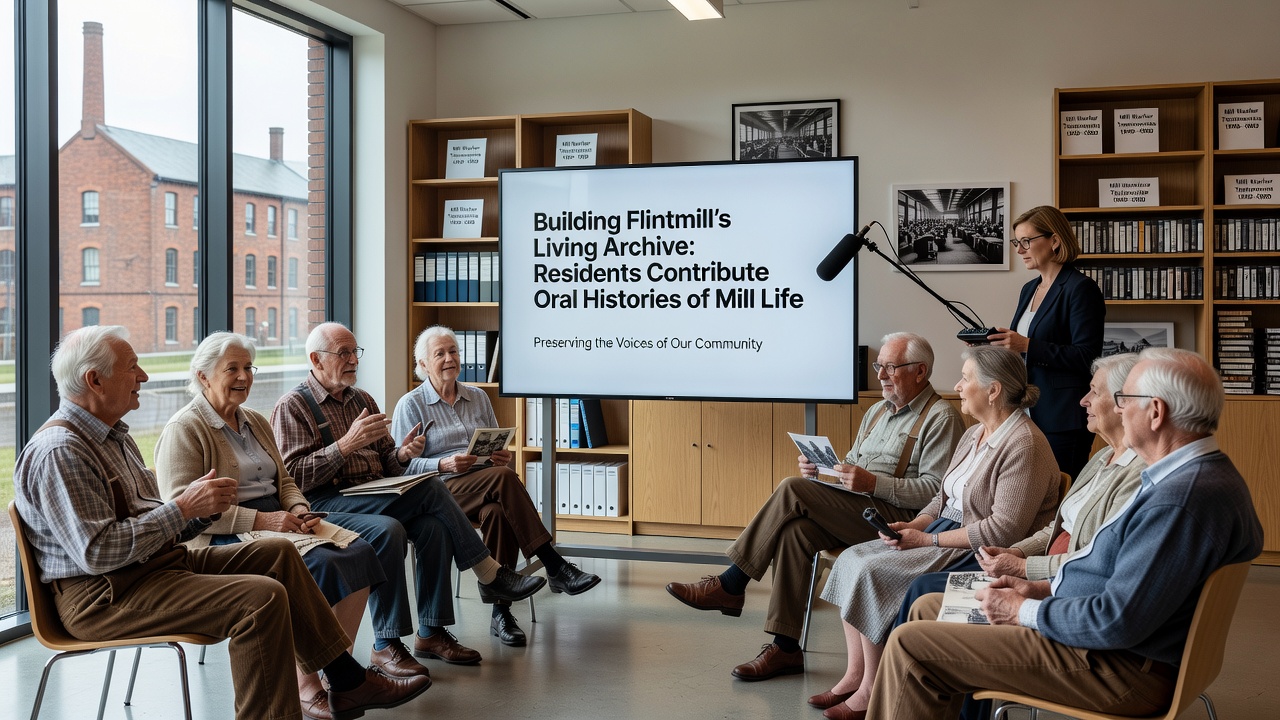
Flintmill's community has launched an initiative to create a living archive that collects oral histories from residents who recall decades of mill operations, and this effort draws on personal accounts to preserve details of daily work, family routines, and technological shifts in the local milling industry. Researchers from regional heritage groups have documented how participants record interviews that capture stories spanning the mid-20th century onward, while the project coordinates with local libraries to store audio files and transcripts in a searchable digital format.
Data from similar oral history programs in other industrial towns shows participation rates often exceed 200 contributors within the first two years, and Flintmill's organizers expect comparable engagement because many families maintain multi-generational ties to the mills. The archive accepts submissions through scheduled sessions at community centers, and volunteers assist with transcription to ensure accessibility for future users who study regional economic patterns.
Project Launch and Timeline Details
Organizers announced the formal start of collection activities in early 2025, yet public access to the full database remains scheduled for October 2026 when all initial recordings undergo review and indexing. This timeline allows time for equipment calibration and training sessions that teach contributors basic recording techniques, while partnerships with academic institutions provide guidelines on ethical consent procedures that protect individual privacy during public release.
Evidence from comparable European heritage projects indicates that staggered release dates reduce processing backlogs, and Flintmill follows this model by prioritizing interviews from older residents first because their accounts cover earlier milling practices that predate mechanization upgrades in the 1980s. Community meetings occur monthly to review progress, and updates circulate through local newsletters that list upcoming recording slots.
Collection Methods and Participant Involvement
Residents sign up via an online portal or through direct contact at the Flintmill heritage center, and each session typically lasts between 45 and 90 minutes with interviewers using standardized question sets that cover topics such as shift patterns, machinery maintenance, and social events tied to mill closures. Audio equipment comes from grants allocated by regional cultural funds, while backup recordings on multiple devices minimize data loss during transfer to central servers.
Those who have contributed so far include former operators, administrative staff, and family members who lived in mill-adjacent housing, and their narratives often reference specific events like the 1972 expansion that introduced automated grain sorting. Training workshops run by experienced oral historians emphasize neutral questioning techniques that let stories unfold without leading prompts, and follow-up interviews occur when participants recall additional details after the initial session.
Emerging Themes in Recorded Histories
Initial analysis of completed interviews reveals recurring references to seasonal work demands that aligned with harvest cycles, and several accounts describe how mill workers coordinated with nearby farms to manage grain deliveries during peak periods. Observers note that these details complement existing written records which often omit personal perspectives on labor conditions or community support networks that formed around shift changes.
One study conducted by a Canadian university research team on industrial oral histories found that 65 percent of collected stories include mentions of technological transitions, and Flintmill recordings align with this pattern through descriptions of the shift from water-powered to electric systems in the 1960s. Participants frequently discuss safety practices that evolved over time, along with the social impact of mill closures on local businesses that depended on worker spending.
Archive Technology and Accessibility Features
The digital platform employs metadata tagging that links recordings to specific mill locations, time periods, and themes, and this structure allows users to cross-reference accounts with historical maps or photographs already held in municipal archives. Open-source software handles search functions, while accessibility options include closed captions and adjustable playback speeds that accommodate varied user needs.
Links to established oral history resources appear in project documentation, such as guidance from the Oral History Association on best practices for community archives, and another connection points to Australian heritage guidelines that address long-term digital preservation standards. These resources inform Flintmill's approach without duplicating efforts already underway at similar sites.
Conclusion
The living archive continues to expand as more residents schedule sessions, and the October 2026 public launch will mark the first opportunity for wider audiences to explore the collected narratives. Project coordinators maintain records of contribution volumes and thematic coverage to guide future outreach, while ongoing collaboration with educational institutions ensures the material supports research into regional industrial history. Updates on new additions circulate through established community channels, and the effort remains focused on accurate documentation that reflects the range of experiences shared by participants.